Scrap Yard in Montreal

End-of-Life Vehicle Processing

Auto Recycling in Montreal

Ask about appropriate recycling options for your vehicle. Get a Free Estimate

  • Free estimate
  • No obligation
  • Cars that do not run are welcome
  • Montreal, Laval and nearby areas

Get your free estimate

Free estimate

Free estimate. No obligation.

By sending this form, you agree that Scrap Yard Montreal may contact you by phone, text or email about your estimate. No obligation.

Giving Automotive Materials a Useful Next Step

When a car reaches the end of its useful life, it contains far more than unwanted metal. Many automotive components are made from materials that can be recovered, reused, or processed through appropriate recycling systems.

Scrap Yard Montreal helps owners explore auto recycling arrangements for vehicles that are damaged, heavily worn, or no longer practical to maintain. Our focus is on helping people understand the handling process and prepare the vehicle for appropriate transfer.

Responsible recycling is especially important because cars contain fluids, batteries, refrigerants, and other materials that should not enter the environment through uncontrolled disposal.

Scrap Yard Montreal Is Proud to Serve Quebec

Auto Recycling

How End-of-Life Vehicle Recycling Works

Auto recycling generally begins with identifying the vehicle and determining how it can be transported to a suitable receiving facility. The actual processing depends on the vehicle's condition, available components, and the recycler's operations. Before major material recovery, fluids and components requiring special handling may need to be removed by trained personnel using appropriate equipment. Reusable parts can be evaluated separately from materials destined for recycling. The remaining vehicle structure may then enter processing streams designed to recover useful metals and other materials. The objective is to recover resources while managing potentially harmful substances appropriately.

Automotive Fluid Management

Engine oil, transmission fluid, coolant, brake fluid, and fuel can present environmental concerns if released improperly. A suitable vehicle recycling process accounts for these materials before structural processing. Owners should not attempt to drain a vehicle on public property or discharge fluids into drains, soil, or waterways. If a scrap vehicle is visibly leaking, mention the issue before transportation arrangements are discussed so the condition can be considered.

Battery and Electrical Components

Traditional automotive batteries contain materials that require appropriate collection and recycling. Modern vehicles may also contain more complex electrical components or high-voltage systems. Damaged batteries and unfamiliar electrical systems should not be dismantled casually. Specialized handling may be necessary depending on the vehicle type. Providing the make, model, and drivetrain information helps identify relevant recycling considerations.

Parts Reuse

Some end-of-life vehicles retain usable mechanical or body components. Reuse can extend the useful life of suitable parts and reduce demand for newly manufactured replacements. Not every component is suitable for reuse. Age, wear, damage, safety requirements, and compatibility all matter. The receiving recycler determines what can be recovered and how components are evaluated.

Metal Separation and Recovery

Cars contain combinations of steel, aluminum, copper, and other metals. Recovering these materials supports manufacturing supply chains and can reduce demand for primary raw materials. Effective recovery requires separating suitable material streams and accounting for non-metal components. Vehicle design affects the proportions of materials available, and processing methods vary among facilities.

Tires, Plastics, and Other Materials

Automotive recycling involves more than metal. Tires, plastics, glass, upholstery, and other materials may require separate handling or specialized recovery methods. Some materials have established recycling channels, while others can be difficult to process economically or technically. Responsible vehicle handling recognizes these differences rather than treating the entire car as a single recyclable material.
Before You Start an Inquiry

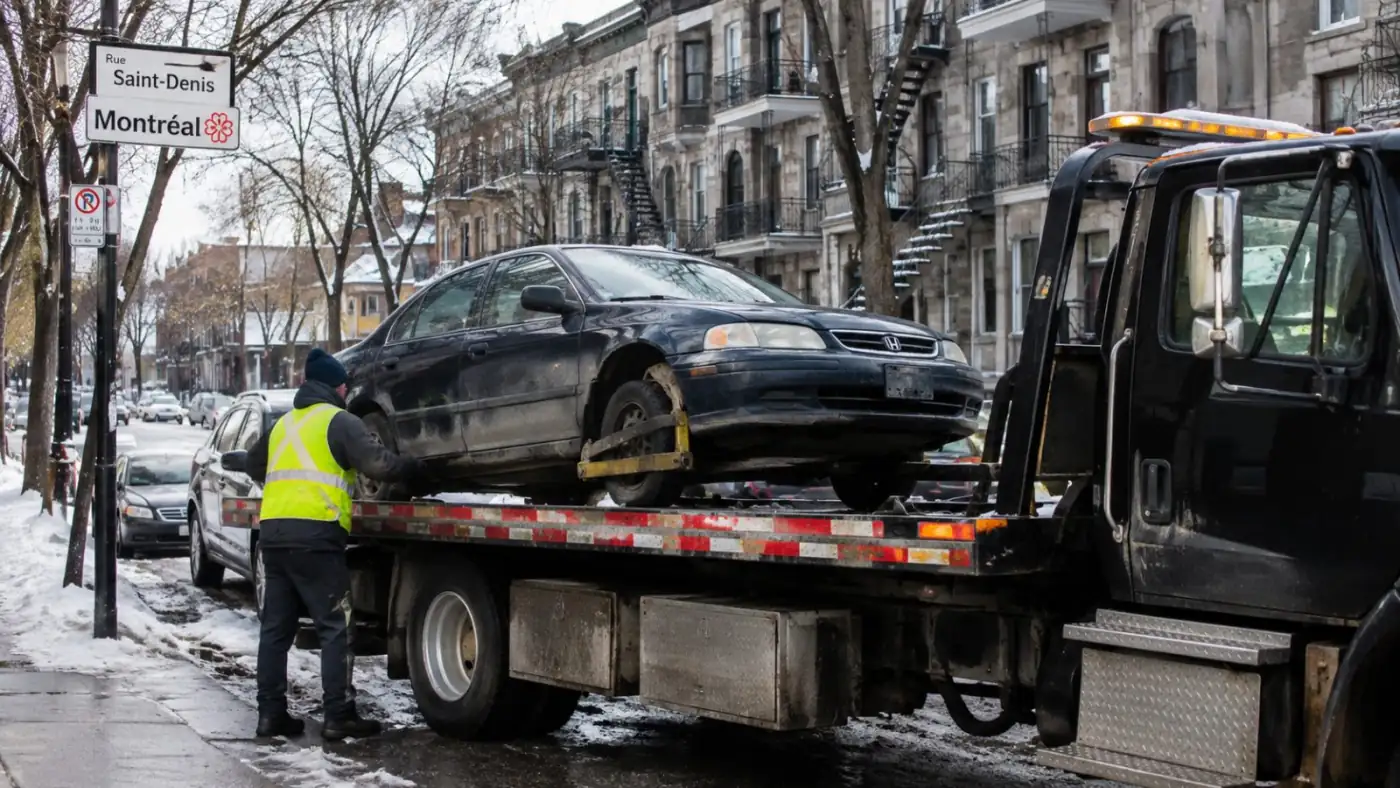
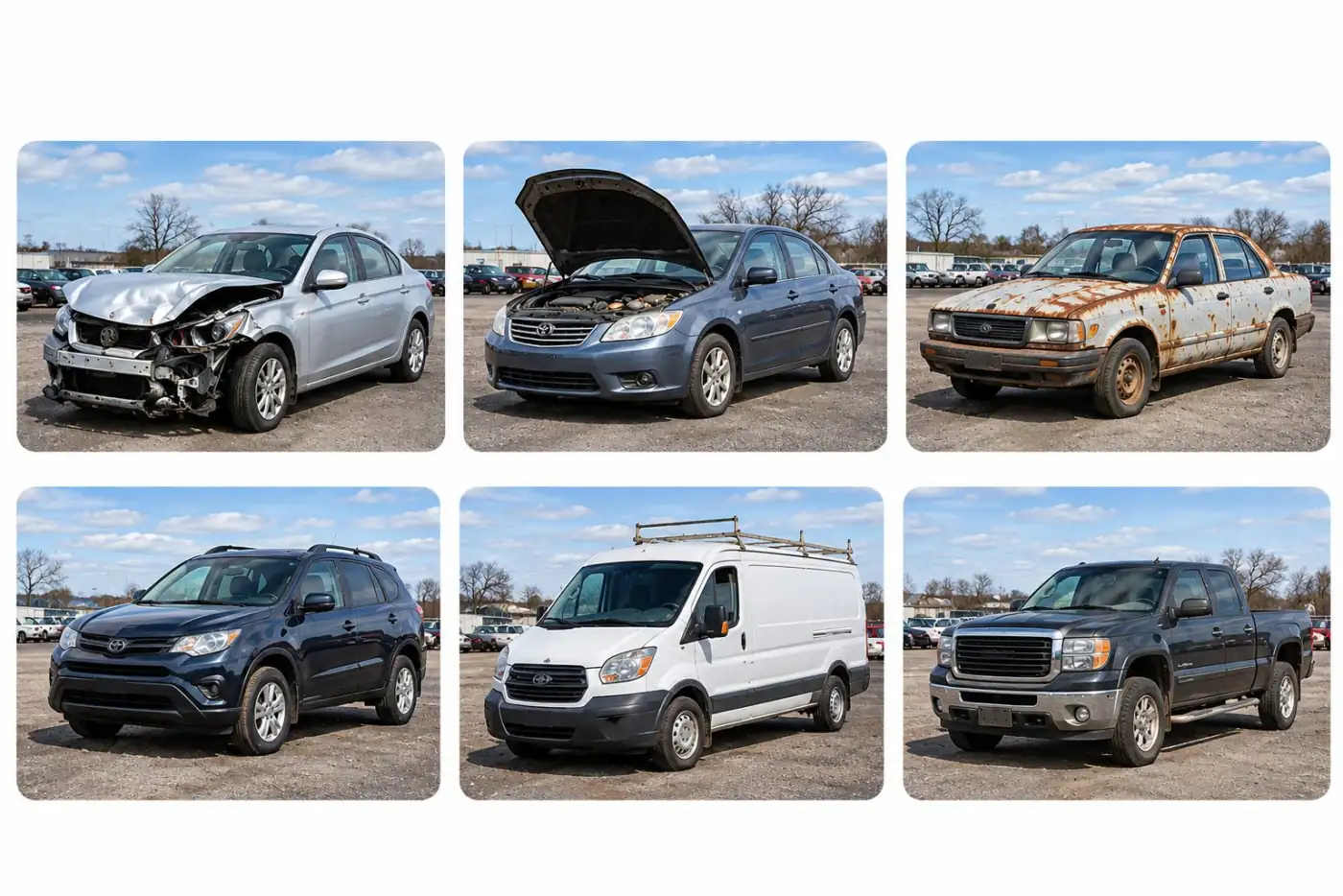
Gather the basics first. Note the make, model, approximate year, and condition. Write down any known hazards, such as leaks or a damaged battery. Check whether the vehicle runs, rolls, and can be reached without moving other cars. Locate your ownership documents. We discuss end-of-life vehicles in Greater Montreal. Owners should follow the applicable SAAQ procedures for transferring or disposing of a vehicle. The required steps depend on the transaction and registration status. The specific recycling process depends on the vehicle and the authorized facility that receives it. Suitable parts and materials may be recovered, while fluids, batteries, and regulated components require appropriate handling.

Why Choose Us for Auto Recycling?

Environmental Awareness

We emphasize the importance of appropriate handling for automotive fluids, batteries, and recoverable materials.

Clear Vehicle Information

We help owners identify the details relevant to recycling and transportation discussions.

Practical Guidance

We explain the general recycling process without making unsupported claims about individual facility outcomes.

Auto Recycling

Contact Us Today for a Free Estimate

Have an end-of-life vehicle that needs responsible handling? Describe it to us.

Call (514) 623-2787

Free — no obligations

Starting an Auto Recycling Inquiry

Describe the End-of-Life Vehicle

Share identifying information, condition, and any known hazards.

Explain Transportation Needs

Tell us whether the vehicle runs, rolls, and can be accessed.

Review Documentation

Confirm ownership authority and understand applicable Quebec procedures.

Discuss Recycling Arrangements

Review potential next steps for appropriate vehicle processing.

Auto Recycling

Our Services in Montreal