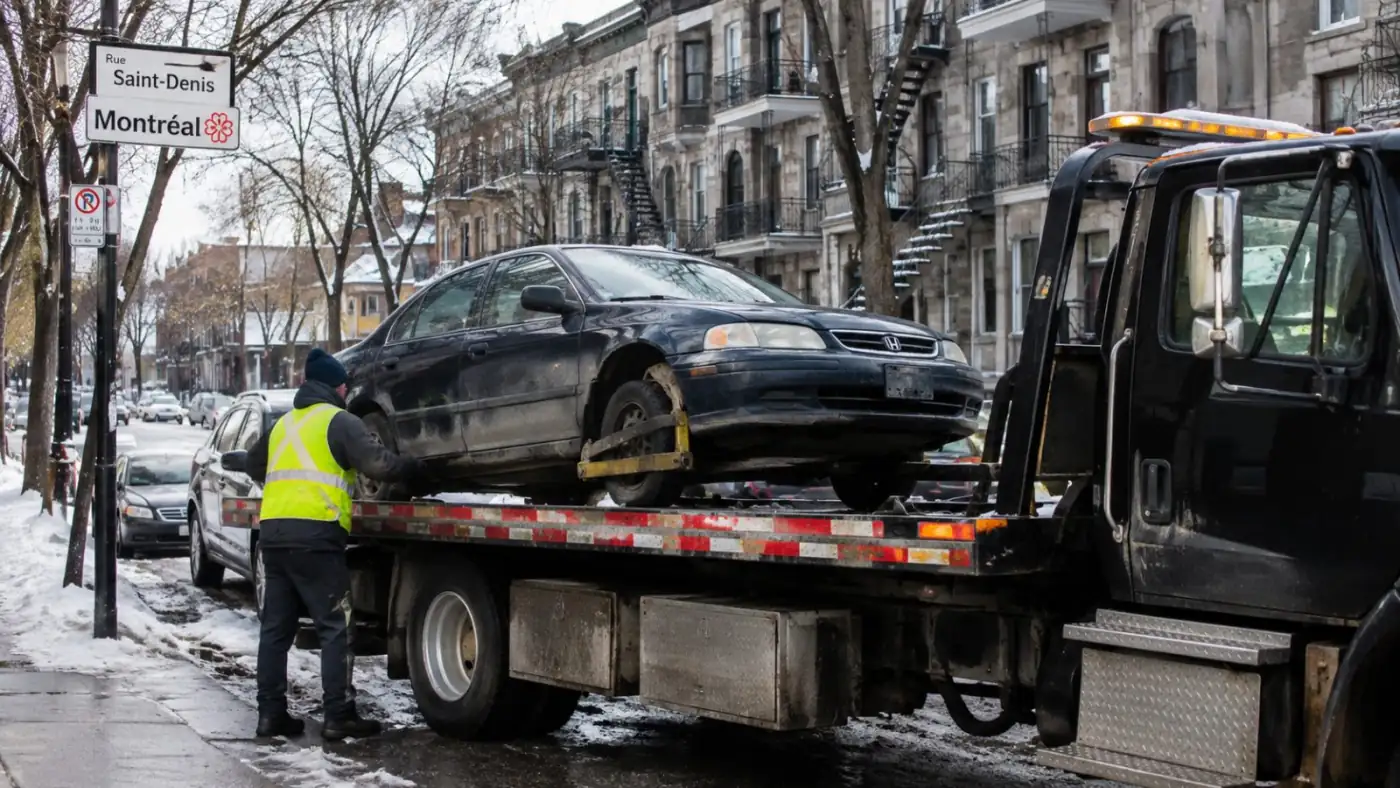
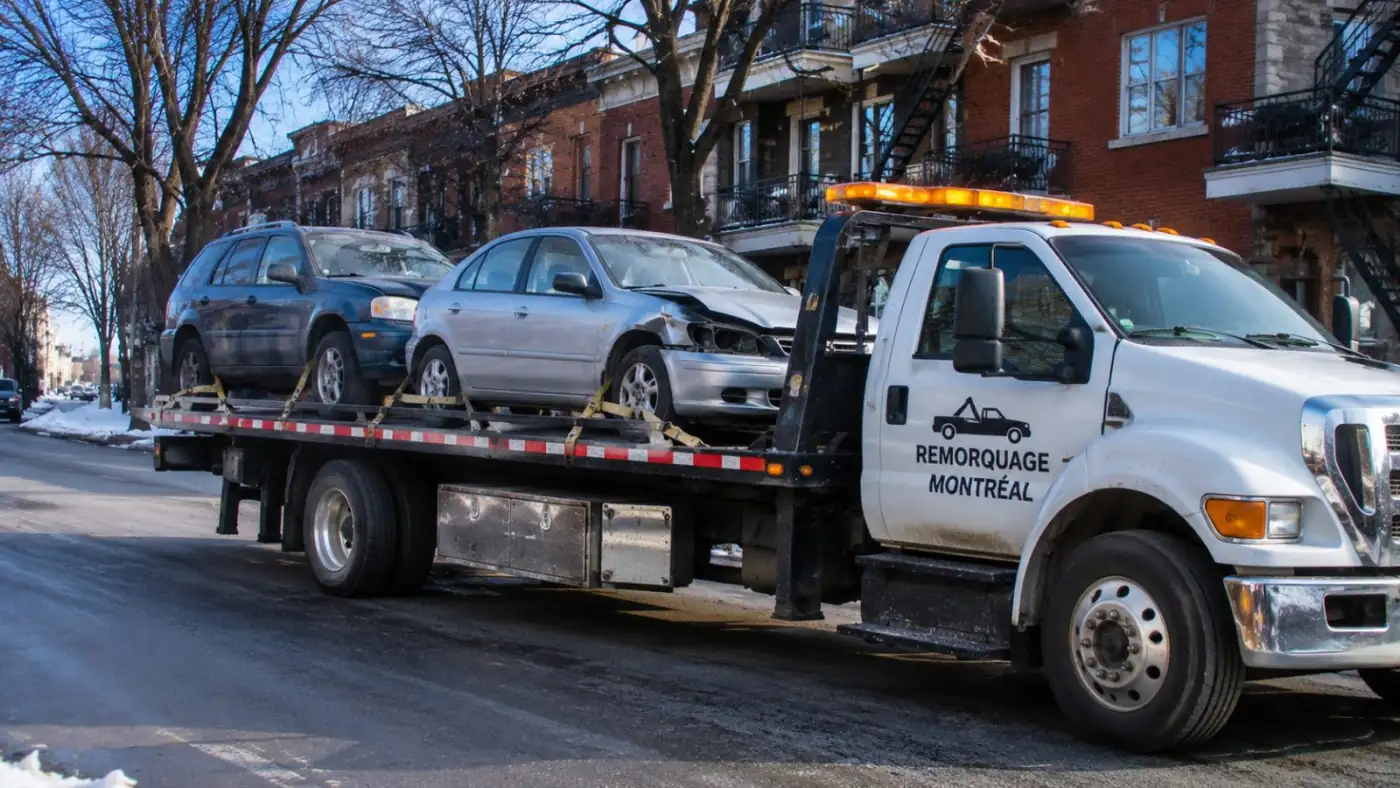
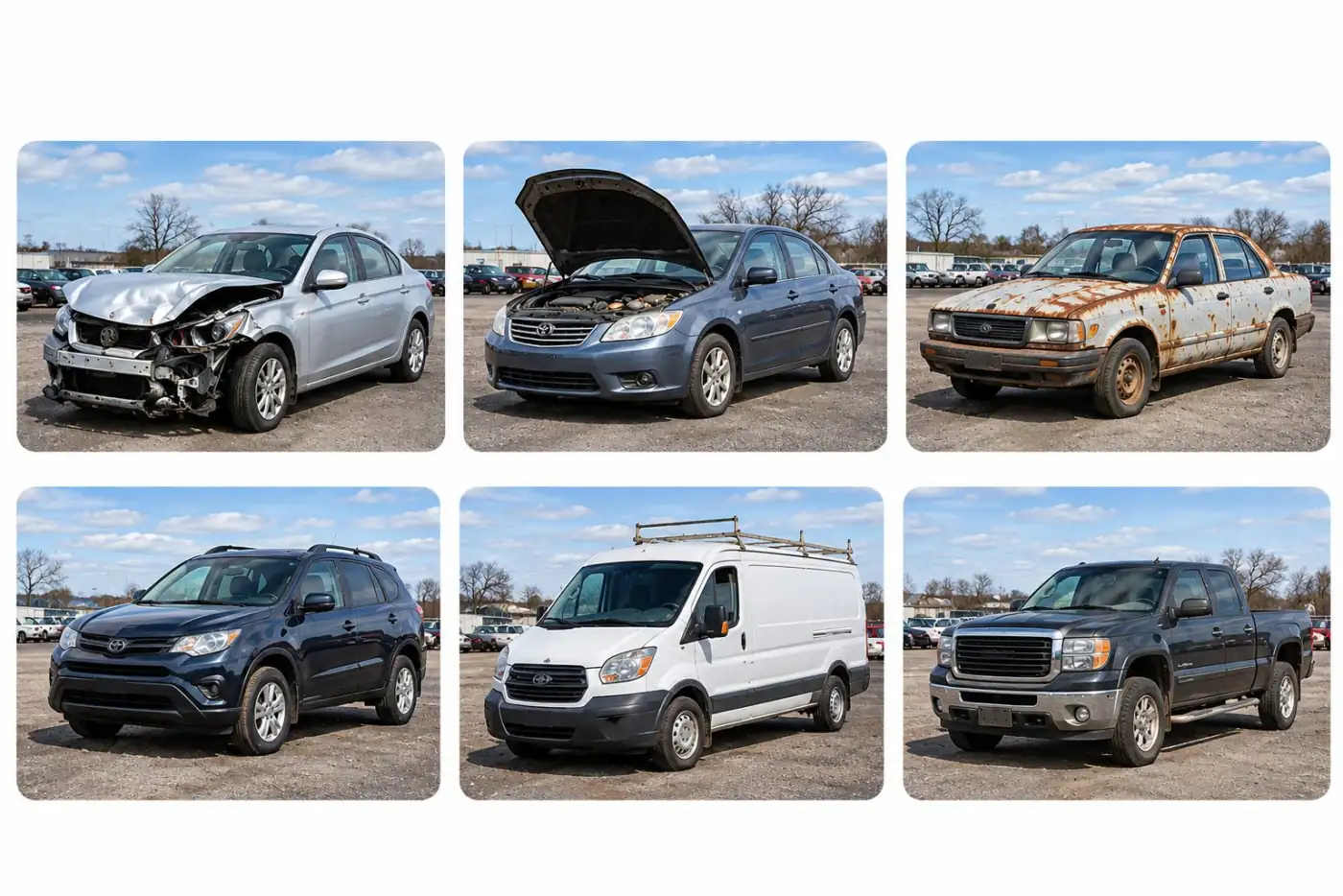
A non-running car may be simple to move if it rolls freely and is parked in an accessible location. A vehicle with missing wheels, seized brakes, accident damage, or a restricted parking position can require a more complicated approach. Before discussing towing, we ask owners to explain these conditions. Accurate information helps identify whether a suitable transport arrangement may be available. Towing should be carried out using equipment and procedures appropriate to the vehicle. Owners should not attempt to pull an unsafe vehicle with improvised equipment or create hazards on public roads.
Cars With Engine Failure
An engine failure may prevent a car from starting while leaving its wheels, brakes, and steering functional. These details can make transportation planning more straightforward. It is helpful to know whether the transmission can be placed in neutral and whether the parking brake releases normally. If the exact mechanical problem is unknown, explain the symptoms rather than attempting a diagnosis.
Vehicles With Damaged Wheels
Flat tires, broken suspension, bent axles, and missing wheels can affect loading and transportation. Some conditions may require specialized equipment or an alternative removal method. Owners should mention whether the vehicle rests on its wheels and whether any part of its underside touches the ground. Photographs of visible damage can help clarify these circumstances before collection is discussed.
Restricted Parking Areas
Parking garages, narrow driveways, small rear lanes, and crowded private lots can limit access. Height restrictions, tight turning areas, and nearby structures may affect the suitability of certain vehicles or equipment. Tell us about any gates, ramps, low ceilings, or obstacles. If the location is controlled by a property manager, permission may be required. A careful description helps avoid unsuitable assumptions about the pickup location.
Winter Towing Considerations
Snowbanks, ice, frozen brakes, and limited parking space can complicate scrap vehicle removal in Montreal. A car left untouched through winter may also become difficult to access safely. Owners should describe current conditions around the vehicle and any restrictions caused by municipal snow removal. Do not put yourself at risk trying to move a frozen or unstable car before transportation arrangements have been reviewed.
Towing From Private Property
Vehicle removal from private property may require proof that the person requesting the service has authority over the vehicle. Shared parking areas and commercial lots can involve additional permission requirements. The vehicle's ownership status and the property owner's instructions should be clarified before collection. We encourage customers to resolve disputes or authorization questions rather than treating a scrap removal inquiry as permission to remove someone else's vehicle.