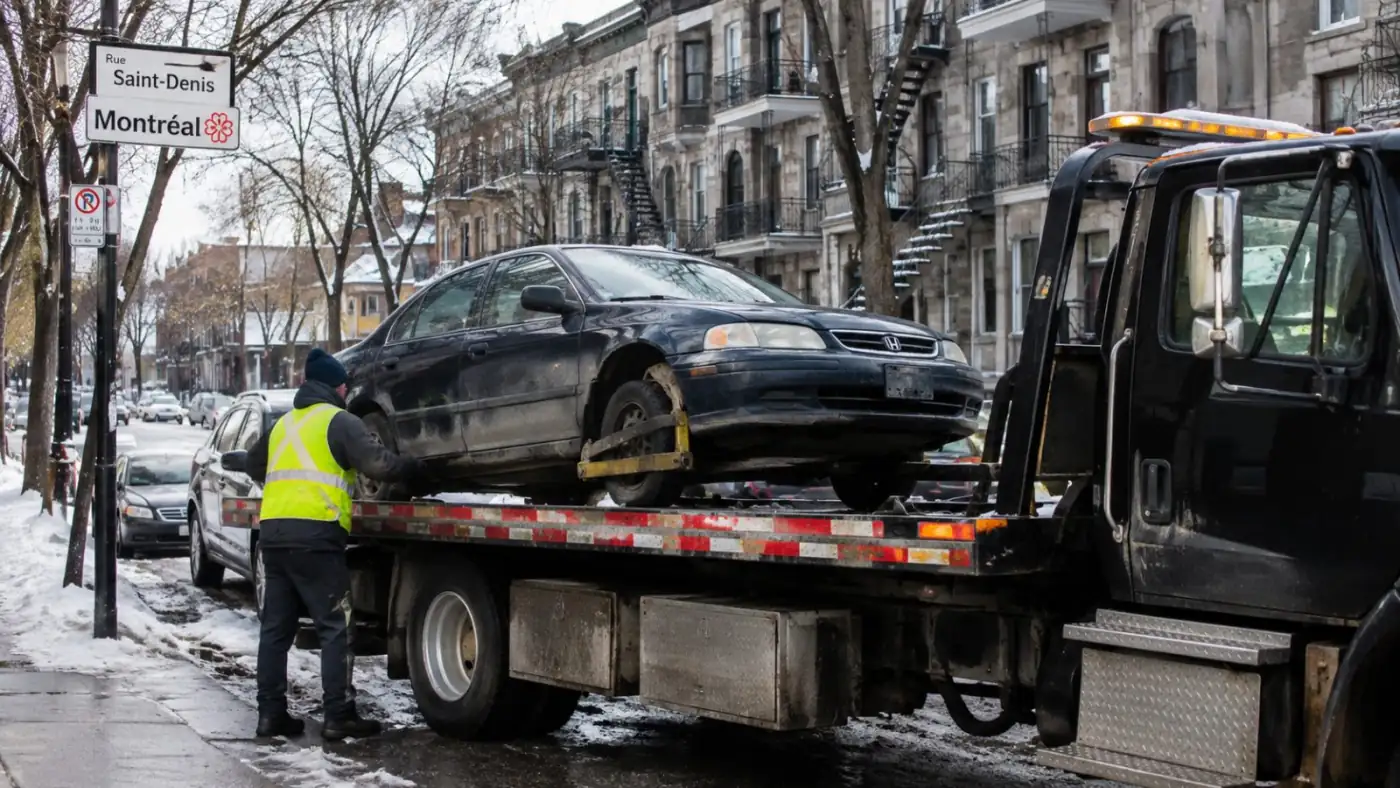
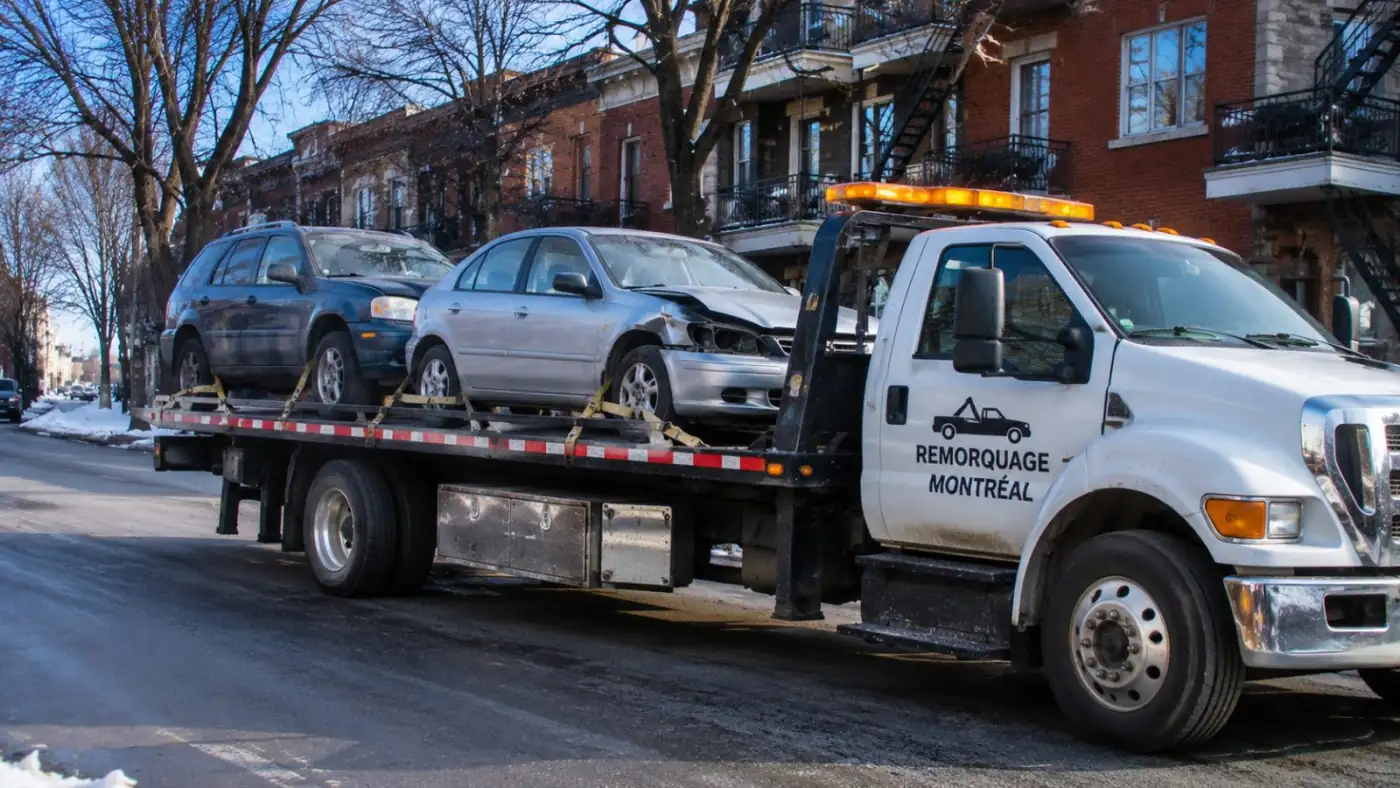
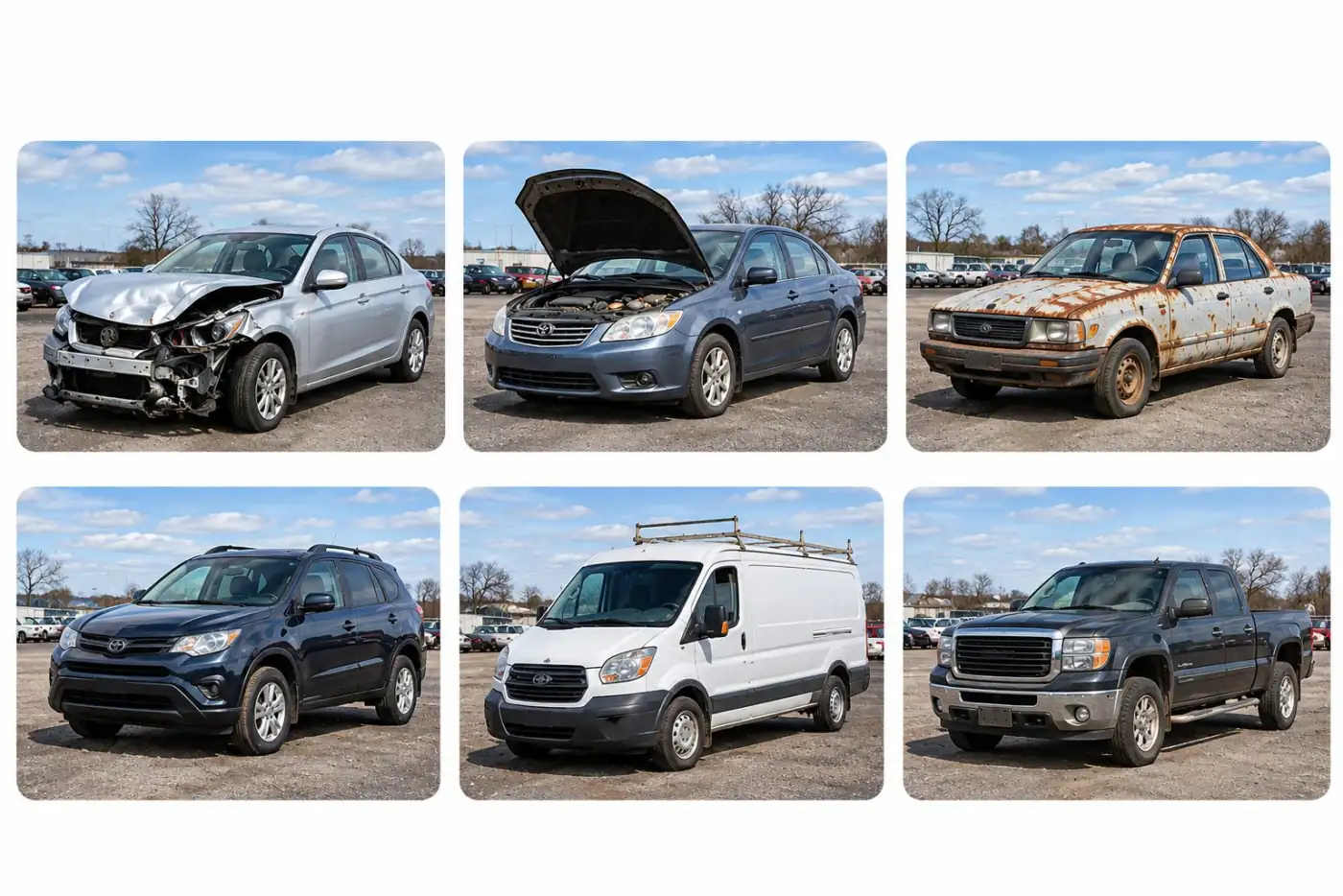
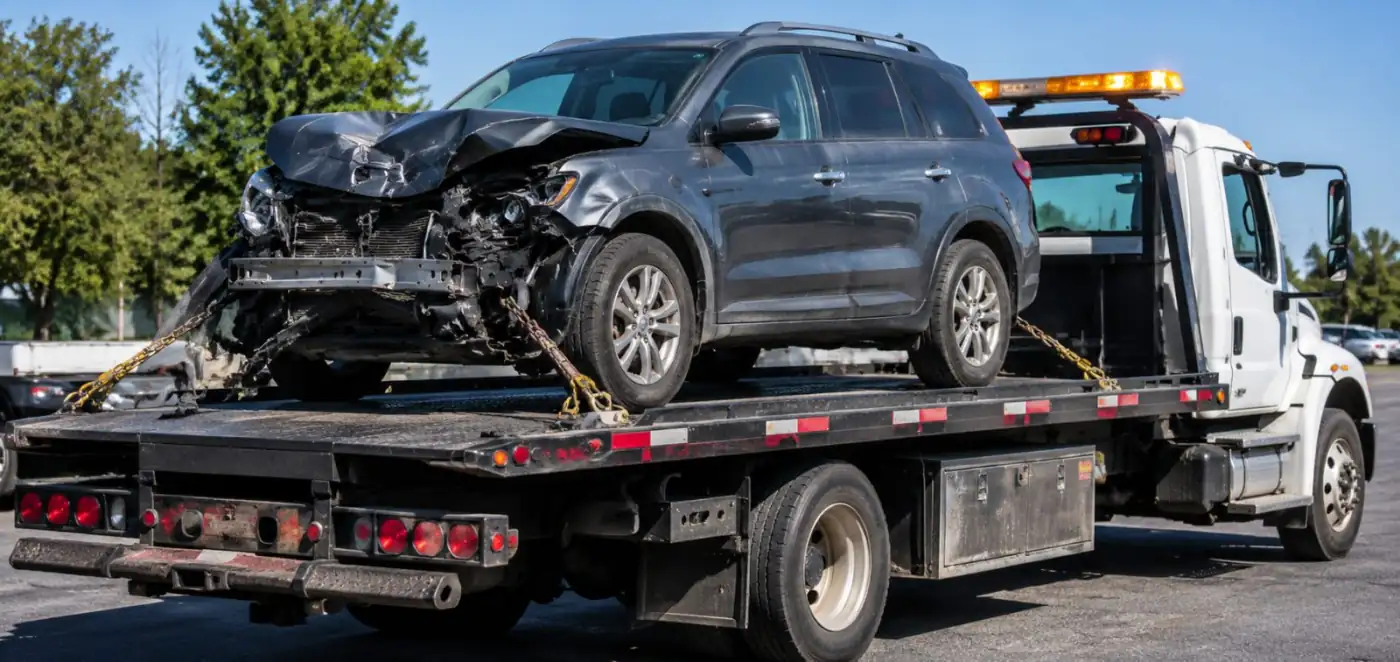
Before contacting anyone about a junk vehicle, gather the details that identify the car and explain its condition. Make, model, approximate year, visible damage, and whether the engine starts are useful starting points. Vehicle identification and registration records should be accurate. In Quebec, ownership transfers and vehicle disposal can involve SAAQ procedures that differ depending on the transaction. Owners should follow the applicable requirements and keep relevant records. It is also helpful to distinguish between a vehicle that is no longer wanted and one that cannot legally or safely be driven. Those circumstances influence the discussion about transportation.
Selling a Car With Mechanical Problems
Major engine, transmission, electrical, or suspension problems can make a vehicle difficult to sell through conventional channels. Some owners decide against repairs when the car no longer meets their transportation needs. Describe the known problem without guessing at repairs that have not been diagnosed. If the vehicle starts intermittently, mention that as well. An accurate explanation gives a more useful picture of the car than simply saying it is broken.
Selling a Rusted or Aging Vehicle
Quebec winters can be hard on older cars. Road salt, moisture, and repeated temperature changes contribute to corrosion, particularly around exposed underbody components. Surface rust and structural corrosion are not the same. Owners should mention known inspection concerns, holes, weakened components, or visible damage. Even when corrosion makes a car unsuitable for continued use, some materials may still be recoverable through appropriate recycling.
Selling a Car That Does Not Start
A non-starting vehicle may still be considered for sale, but its mobility needs to be explained. A car with a dead battery is different from one with a seized engine or damaged driveline. Tell us whether the car rolls freely and whether its wheels and steering remain functional. The pickup location is also important. Do not attempt to drive a vehicle that may be mechanically unsafe simply to make selling arrangements easier.
Preparing Ownership Information
The person arranging a sale should have the legal authority to transfer the vehicle. Registration information, identification, and other supporting documentation may be required depending on the circumstances. If the vehicle belongs to an estate, a business, a financing company, or another person, additional authorization may be necessary. Owners should resolve these issues before completing a transaction and follow the appropriate SAAQ procedures.
Preparing the Vehicle for Transfer
Before a vehicle changes hands, check for personal belongings in the trunk, glove compartment, door pockets, and storage compartments. Remove items that are not intended to be transferred. Review any connected services, parking permits, and personal information stored in the vehicle where applicable. License plate handling and registration steps should follow current Quebec requirements. Do not assume every transaction follows the same administrative process.